
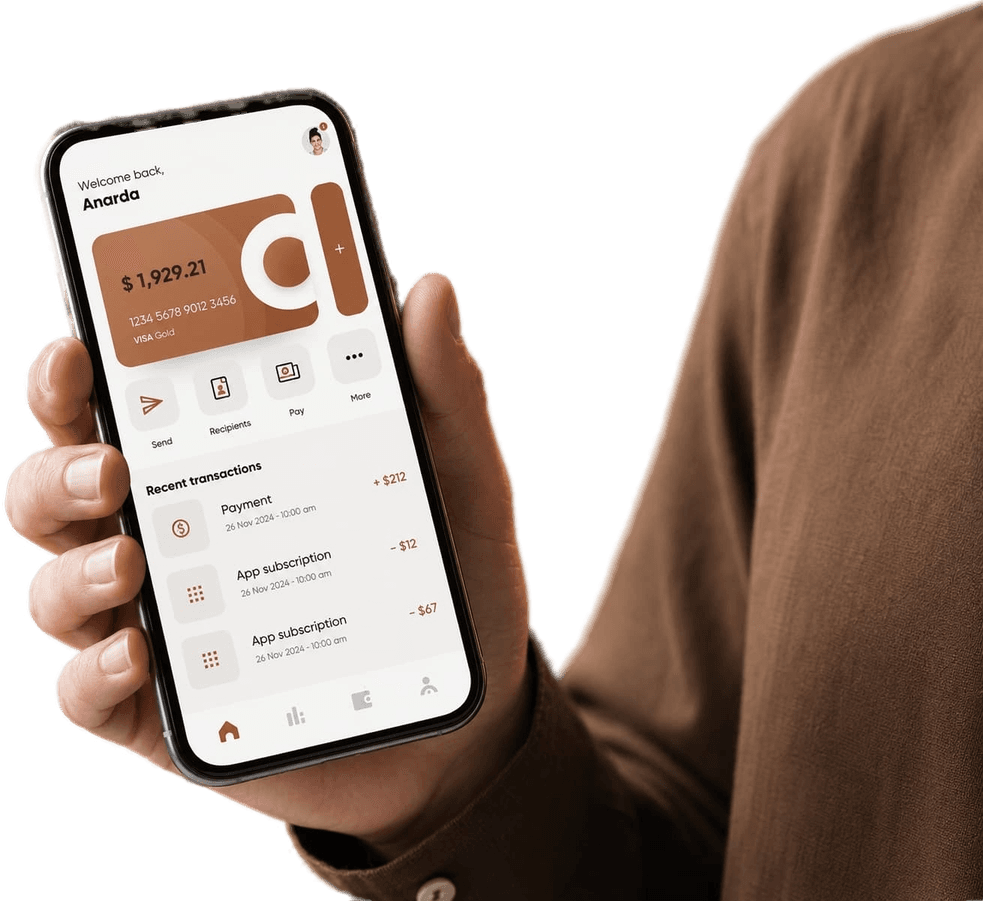
Women and youth finance pathways: practical steps to build financial confidence.

Targeted financial literacy and mentorship can improve entrepreneurship success and long-term savings behavior.
Digital onboarding and low-friction accounts are helping younger users enter formal finance earlier.
Inclusive product design remains essential for broader participation and lasting impact.

Micro-grant programs paired with coaching show higher completion rates than cash alone for first-time founders.
Youth-focused apps that visualize compound growth make abstract savings goals feel tangible.
Women-led businesses still face credit gaps; alternative scoring signals like steady utility payments help fill evidence voids.

Safe spaces for group learning—community halls or school clubs—reduce stigma around asking basic money questions.
Caregiver responsibilities influence cashflow timing; products that allow flexible repayment dates improve adherence.
Measuring outcomes beyond account openings—such as sustained balances—keeps programs accountable.

From a women & youth finance perspective, this update highlights how you can make better decisions with clearer tools, stronger visibility, and more predictable outcomes across your financial workflow.
Practical takeaway: treat this release as an operating upgrade — review your current processes, identify one high-friction step, and measure improvement after adopting the new KitBank capabilities.
Teams that document before-and-after metrics (speed, cost, error rate, or customer satisfaction) usually see the value fastest and can justify further rollout across departments.
Looking ahead, KitBank will continue refining this area with user feedback, measured rollouts, and practical education so you and your business can confidently adopt each improvement.
If you want help applying these changes to your own setup, explore related products in the app or reach our support team for a guided walkthrough tailored to your goals.